
15 foods that help repair and rebuild the gut lining
You gut lining replaces itself every 3-5 days and is one of the most important protective barriers in your body. Made up of a single layer of cells, it determines what gets absorbed into your bloodstream—and what stays out.
When this barrier becomes compromised, unwanted substances can pass through more easily, contributing to immune activation, inflammation, and digestive symptoms. The good news? Your gut lining is constantly renewing itself, and the nutrients you consume play a critical role in that process.
These 15 foods provide key compounds—including amino acids, collagen, omega-3 fats, polyphenols, and beneficial fermented nutrients—that have been studied for their role in supporting intestinal cell health, maintaining the gut barrier, and promoting a healthy digestive tract.
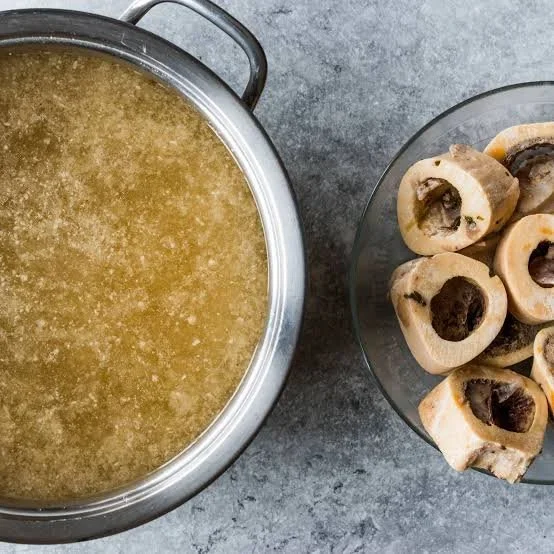
1.Bone Broth (collagen + amino acids)
Bone broth acts as a structural glue for your digestive tract. It is exceptionally rich in collagen and specialized amino acids like proline and glycine, which are the fundamental building blocks required for repairing damaged intestinal tissue. By providing these raw materials, you facilitate the rapid healing of the ‘tight junctions’ that maintain your barrier.
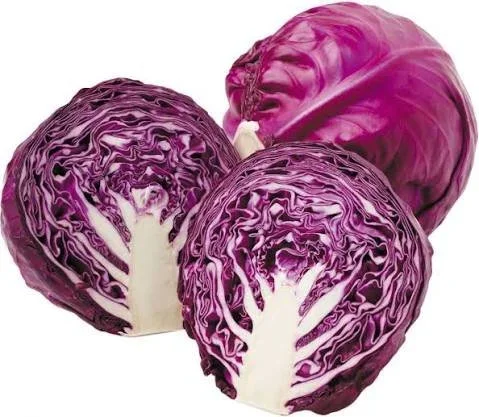
2. Red cabbage (L-Glutamine source)
Whatever it is, the way you tell your story online can make all the difference. Cabbage is one of nature’s most concentrated sources of L-Glutamine, an amino acid that acts as the primary fuel source for the enterocytes—the cells lining your small intestines.
Without sufficient glutamine, your gut cells cannot maintain their structural integrity, leading to permeability. This documented nutrient is essential for preventing the ‘leak’ in your lining.
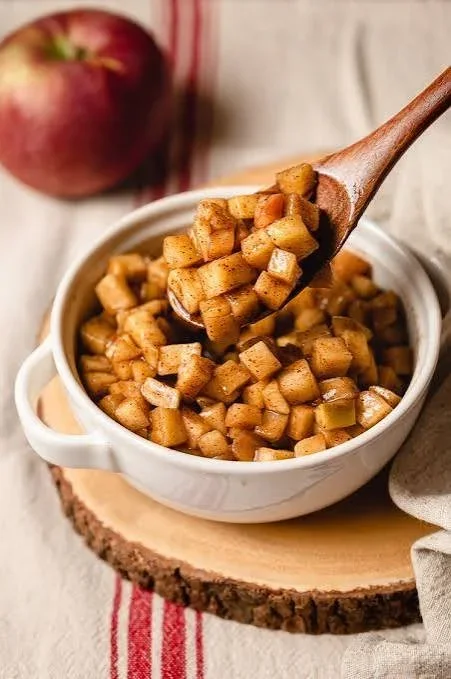
3.Stewed Apples (Pectin focus)
Whatever it is, the way you tell your story online can make all the difference The process of cooking apples releases pectin, a soluble fiber that serves a critical biological function. Pectin has been documented to stimulate the production of the mucosal barrier—the protective ‘slime’ layer that prevents harmful pathogens from making direct contact with your delicate gut cells. It acts as an internal shield against chemical and bacterial irritants.
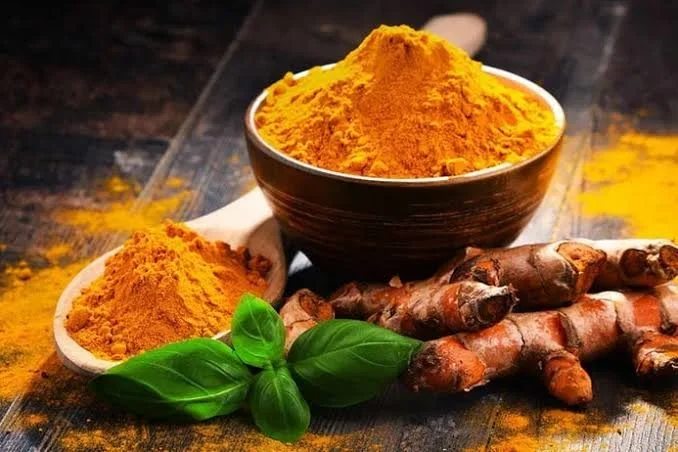
4. Turmeric (Curcumin bioactivity)
Curcumin is a powerful known signaling molecule that can effectively ‘switch off’ the inflammatory pathways within the gut wall. By reducing cytokines, turmeric creates a calm environment where the intestinal lining can perform its natural regeneration cycle without being constantly degraded by systemic inflammation.
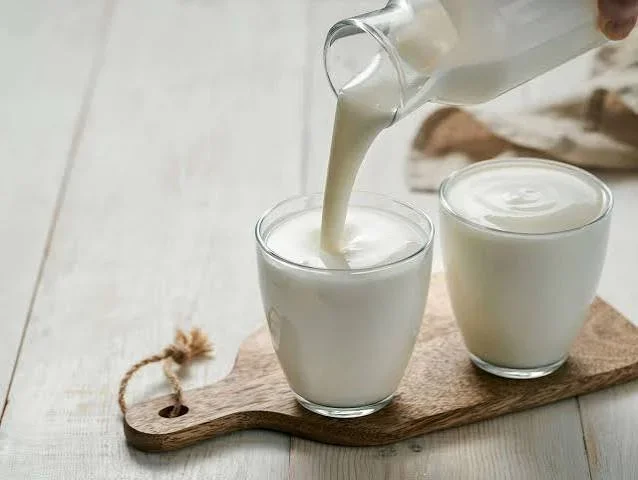
5. Raw kefir (Microbial defense)
Whatever it is, the way you tell your story online can make all the difference, this ancient, fermented beverage contains a diverse array of unique probiotics that outcompete harmful bacteria in the gut. These beneficial microbes produce short chain fatty acids that directly strengthen your ‘tight junctions’ between gut cells. This microbial shield ensures that intestinal barrier remains firm and impenetrable to undigested food particles.
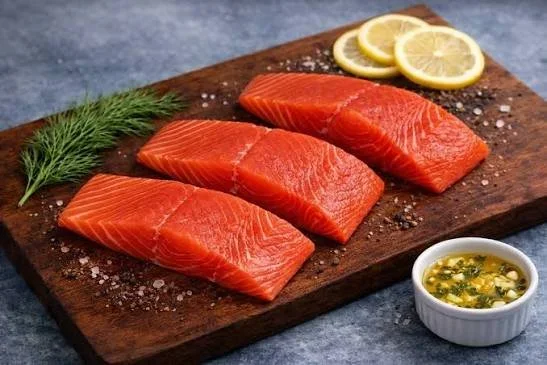
6. Wild Caught Salmon (Omega-3 lipids)
Wild caught salmon is rich in EPA and DHA, essential omega-3 fatty acids that are documented to protect the physical structure of the gut wall. These healthy fats reduce the production of inflammatory markers that otherwise cause the gut lining to become porous. Incorporating these lipids ensured the cellular membranes of your intestinal tract remain flexible yet strong.
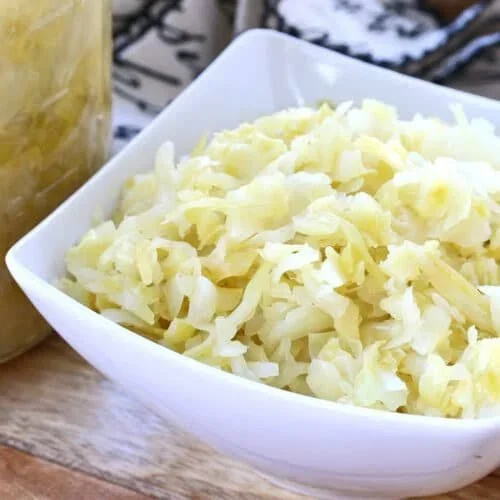
7. Traditional Sauerkraut
By maintaining an acidic environment, these acids prevent the overgrowth of pathogens that burrow into and degrade the gut lining. This creates a safe zone for the intestinal tissue to repair itself without microbial interference.
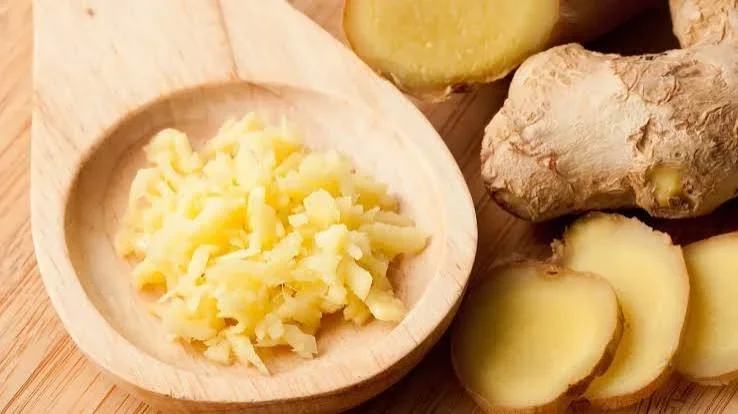
8. Fresh Ginger (Motility Support)
Ginger is more than just a flavor; it is a prokinetic that accelerates gastric emptying. By ensuring that food moves efficiently through the digestive system, ginger prevents undigested particles from sitting in the gut and causing localized irritation to the lining. It also stimulates the protective mucus secretions that buffer the wall against stomach acid.
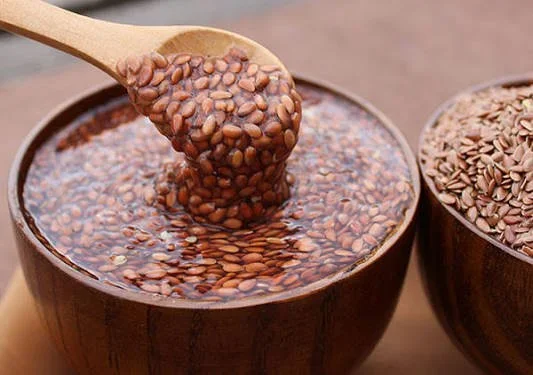
9. Soaked Flaxseed
When flaxseeds are soaked, the develop a thick, mucilaginous gel that functions as a ‘liquid bandage’ for the intestinal tract. The gel physically coats the gut lining, providing a protective buffer for irritated or damaged areas while the underlining tissue heals. This mechanical protection is vital for soothing the inflammation associated with a compromised barrier.
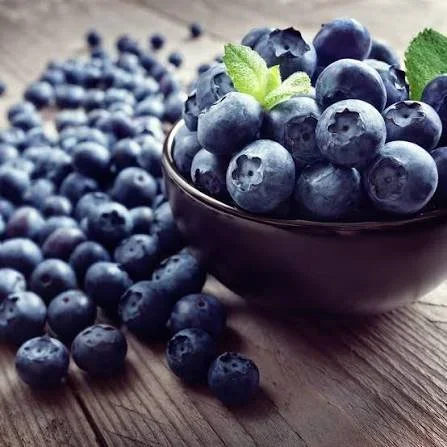
10. Organic Blueberries
Blueberries are dense with specific polyphenols that have been scientifically proven to repair “leaky gut” by tightening the cellular gaps. These antioxidants protect the intestinal cells from oxidative stress-- the biological “rust” that can cause cells to pull apart. Documented intake shows a significant improvement in the structural integrity of the tight junctions.
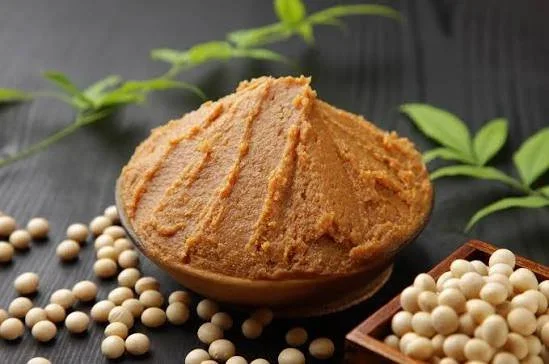
11. Traditional Miso
Miso is a fermented paste that serves as a biological catalyst for “secretory IgA” --an essential antibody that lives directly on the surface of the gut lining. This antibody acts as a frontline defender, neutralizing toxins and bacteria before they can even touch the in intestinal wall. It is a critical component in maintaining the long-term health of your barrier.
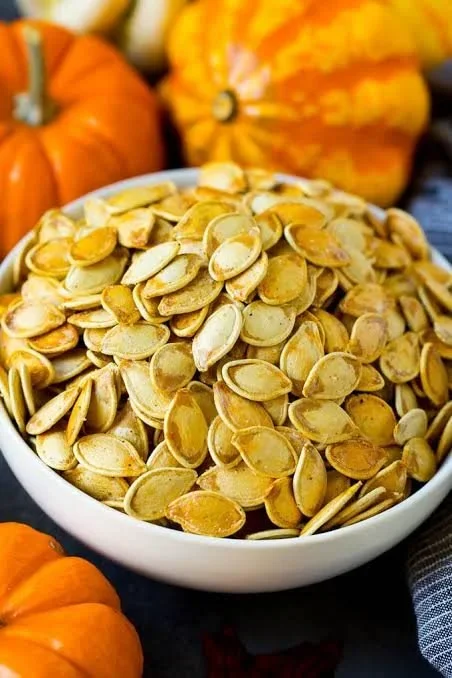
12. Pumpkin seeds (Zinc co-factor)
Zinc is one of the most critical minerals for human health, serving as a co-factor for over 300 enzymes. Many of these enzymes are responsible for maintaining structural integrity and turnover of the gut wall. A deficiency in zinc is the leading cause of increased intestinal permeability; pumpkin seeds provide the necessary anchor to keep the barrier stable.
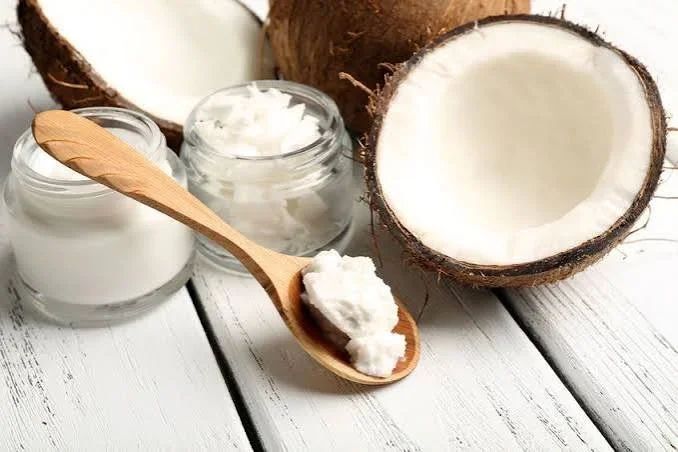
13. Extra Virgin Coconut oil
Coconut oil contains high concentrations of Lauric acids, a medium chain fatty acid with documented antimicrobial and antifungal properties. It selectively targets and eliminates harmful pathogens that attempt to burrow into the intestinal lining. By clearing these intruders, coconut oil allows the delicate gut tissue to recover and close any existing microscopic gaps.
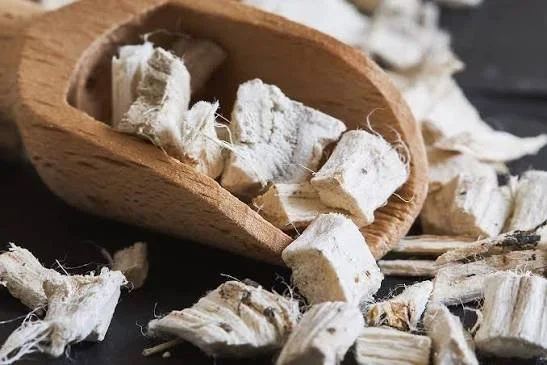
14. Marshmallow Root (Mucilage)
Marshmallow root is prized in ethnopharmacology for its high mucilage content. This slippery substance acts as a ‘cellular glue’ that adheres to the intestinal wall, providing a physical buffer against chemical irritants and abrasive food particles. It is a natural remedy for soothing the lining and promoting the healing of damaged or inflamed intestinal sections.
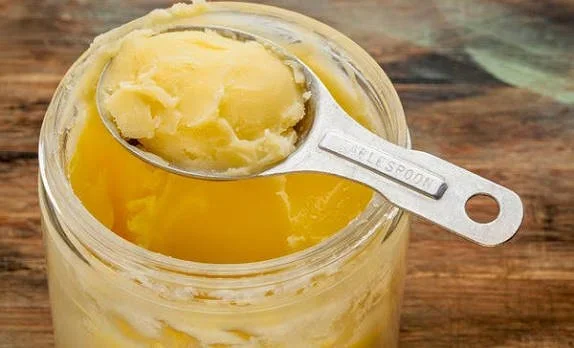
15. Grass-fed Ghee (Butyrate)
Ghee, or clarified butter, is one of the highest dietary sources of Butyrate. This short chain fatty acid is the preferred food source for colonocytes--the cells that make up the large intestines. By providing 70% of the energy these cells need to function, ghee ensures that the gut lining has the metabolic power to repair itself and maintain a strong barrier.
Think of them as the building blocks your gut uses to repair, strengthen, and protect itself.